
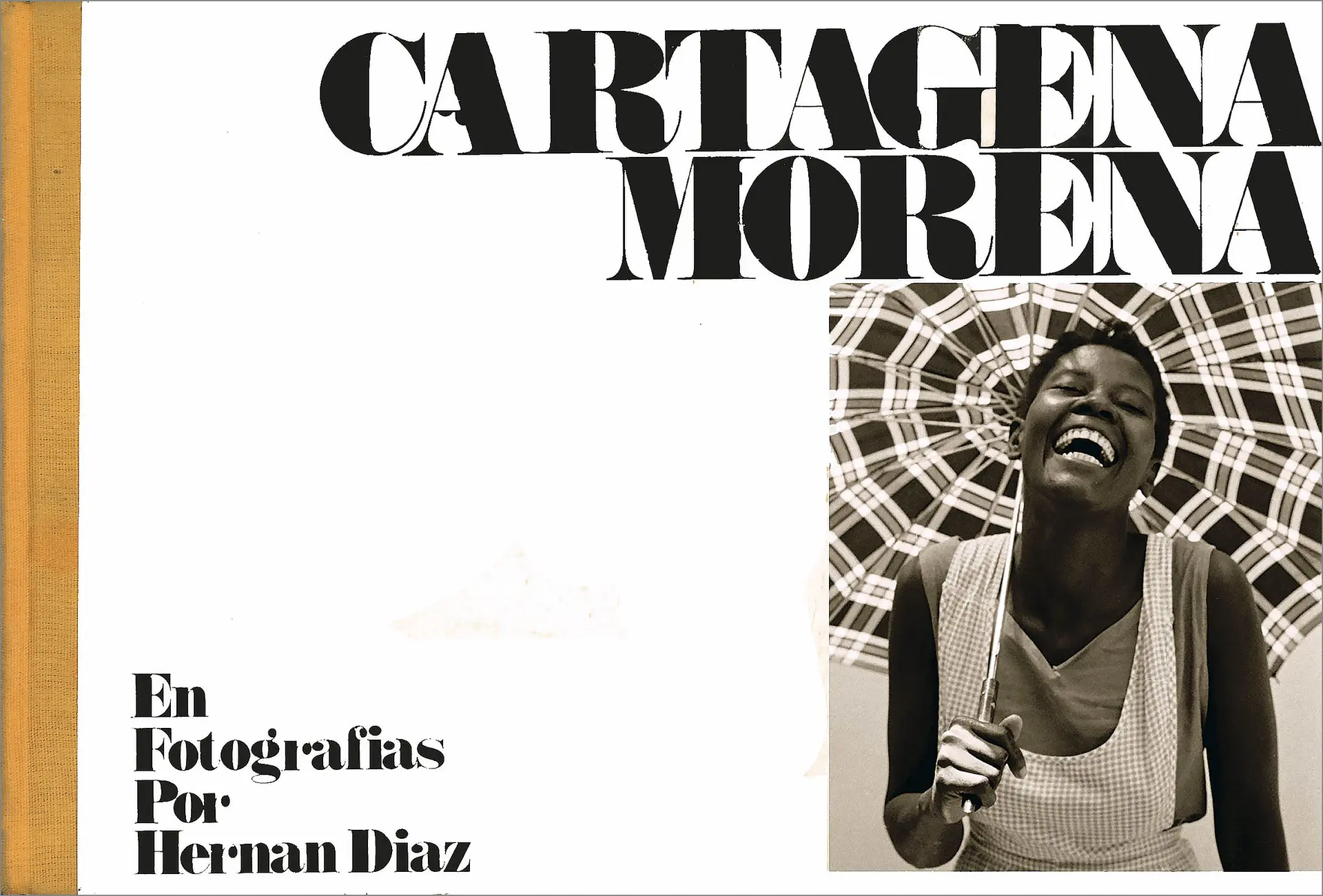
Interestingly, the field of Colombian photography has been largely indifferent to one of the medium’s most exciting formats, the photobook. For reasons that should be obvious, the purpose of this article is not to trace the history of the photobook, but to present a short selection of quality productions, from the genre’s earliest beginnings to our days, taking as our starting point the work of Hernán Díaz and Nereo López, pioneers in this type of publication.
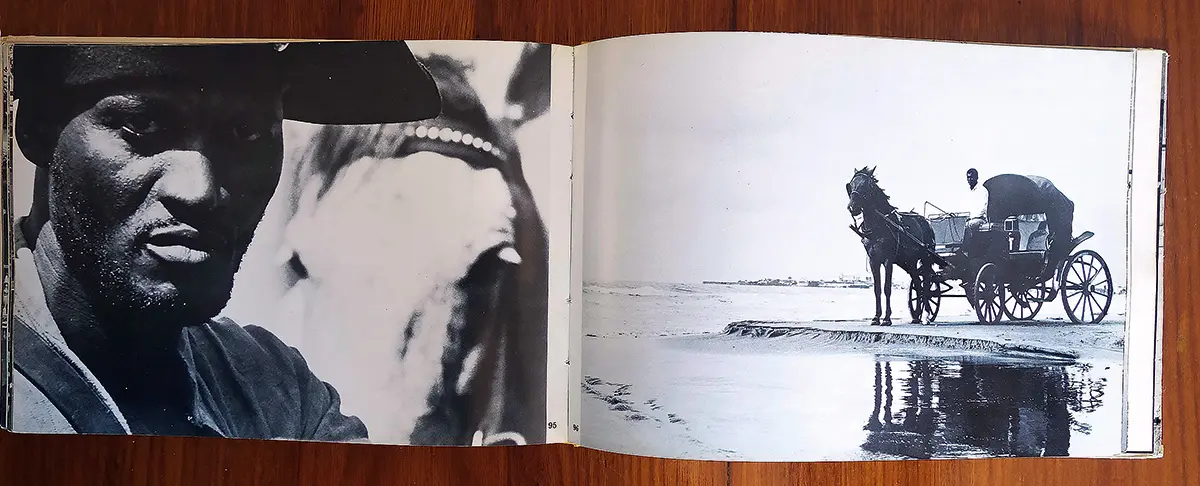
Díaz must be remembered as Colombia’s first photographer to gain renown as an artist. His status as such was asserted by Marta Traba, who praised Díaz’s work and tapped him as a collaborator in the creation of her book Seis artistas contemporáneos colombianos (Six Contemporary Colombian Artists), in 1963. Launched in parallel to the exhibition of the same title, the inaugural event for Bogotá’s Galería 25, the book focused on the group that was to dominate the sculpture and painting scenes in Colombia for the next two decades: Obregón, Ramírez, Botero, Grau, Wiedemann, and Negret. Albeit not a photobook in the strictest sense, Seis artistas contemporáneos colombianos is an excellent book about art, with Díaz’s portraits contributing greatly to define the character and personality of the protagonists, forcefully presented alongside Traba’s essays. Previously, Díaz had La vida pública (The Public Life, 1962), alongside poet Arturo Camacho, a short narrative centered on the actress Fanny Mickey, and La metamorfosis de su excelencia (His Excellency’s Metamorphosis, 1963), which accompanied Jorge Zalamea’s novella of the same title. A decade later, Díaz produced Cartagena morena (Black Cartagena, 1972), his most brilliant photo book, a collection of images of Cartagena between 1959 and 1970, devoted to presenting the life of the afro-descendent community that inhabited the walled city. It is a complete study of the community’s buildings, customs, and labors, documenting the scorching sun of the Caribbean region and the fullness of its light bouncing off the city’s white walls. The panavision format and Díaz’s interest in the rough texture of the crushed-coral walls make Cartagena morena an eminently tactile photobook. Due to contractual reasons, the book’s first edition had limited distribution, and later it was destroyed in a flood. Today, it is a rarity. The three later editions, published over several decades, feature the main images but lack the original’s dynamic format. Cartagena morena is an extremely important landmark that gave Colombian readers a new way to see and value the Heroic City and its denizens.
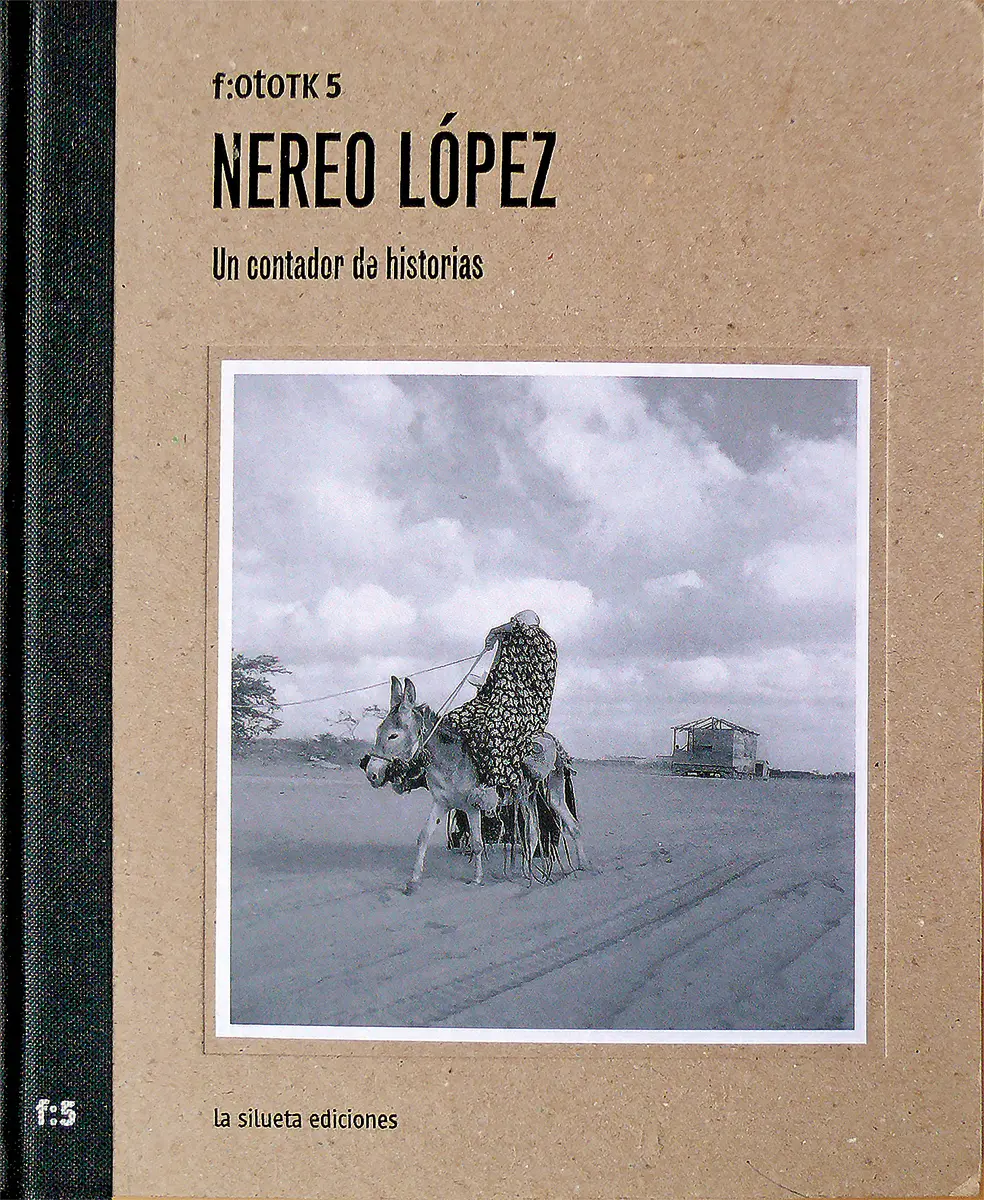
Nereo López, in turn, published in 1964 and 1965 El libro de los oficios infantiles (The Book of Childhood Trades) and Los que esperan y su imagen (Those who Wait and Their Image), in collaboration with the writer Jaime Paredes Pardo. The former focuses on working children, and the second on the poor. One must remember that in the 1950s and 1960s López produced for O Cruzeiro a series of dossiers in which he collaborated with such writers as Manuel Zapata Olivella, Álvaro Cepeda Samudio, Germán Vargas, and the Pinzón brothers; these veritable adventures that combined the photographer’s talents and those of his guests deserve to be republished, both for the quality of the work and for O Cruzeiro’s daring design.
In 1974, Hernán Díaz and Paredes Pardo—the very same Paredes Pardo who had worked with López in the two photobooks mentioned above—came up with Aire puro (Pure Air), the first photobook devoted to an environmental subject. Published in large format, it matches Paredes Pardo’s poems to mountain landscapes by Díaz, who took maximum advantage of the qualities of the photographic grain.
Crítica e Imagen (Critique and Image) appeared in 1979, featuring 189 photographs and texts by the architect, historian, and photographer Germán Téllez, dated between 1965 and 1977. Described by Fotografía Contemporánea magazine as “the most highly anticipated photography and architecture book ever published,” it is one of the most solid photobooks to appear in the country, as well as an excellent illustrative history of Colombia’s architecture. In his black and white images, Téllez describes the traditions, achievements, mutations, and innovations of Colombian architecture.
The following year, in 1980, Nina de Friedemann and Richard Cross published Ma N’gombe: guerreros y ganaderos en Palenque (Ma N’gombe: Warriors and Herdsmen in Palenque). Friedemann, an anthropologist, did an extensive study of the community of San Basilio de Palenque, originally established by runaway slaves. Fotografía Contemporánea saluted it as “an editorial landmark” with its 228 pages and 270 photographs, the latter mostly by Cross, a US photographer who died in Nicaragua covering the Sandinista revolution. It was considered at the time “the most complete book about Colombia’s black population” published in the country. Moths before his death, Cross published Nicaragua: Guerra de liberación (Nicaragua: War of Liberation, 1982) in collaboration with poet Ernesto Cardenal; it is even today considered one of Latin America’s greatest photobooks.
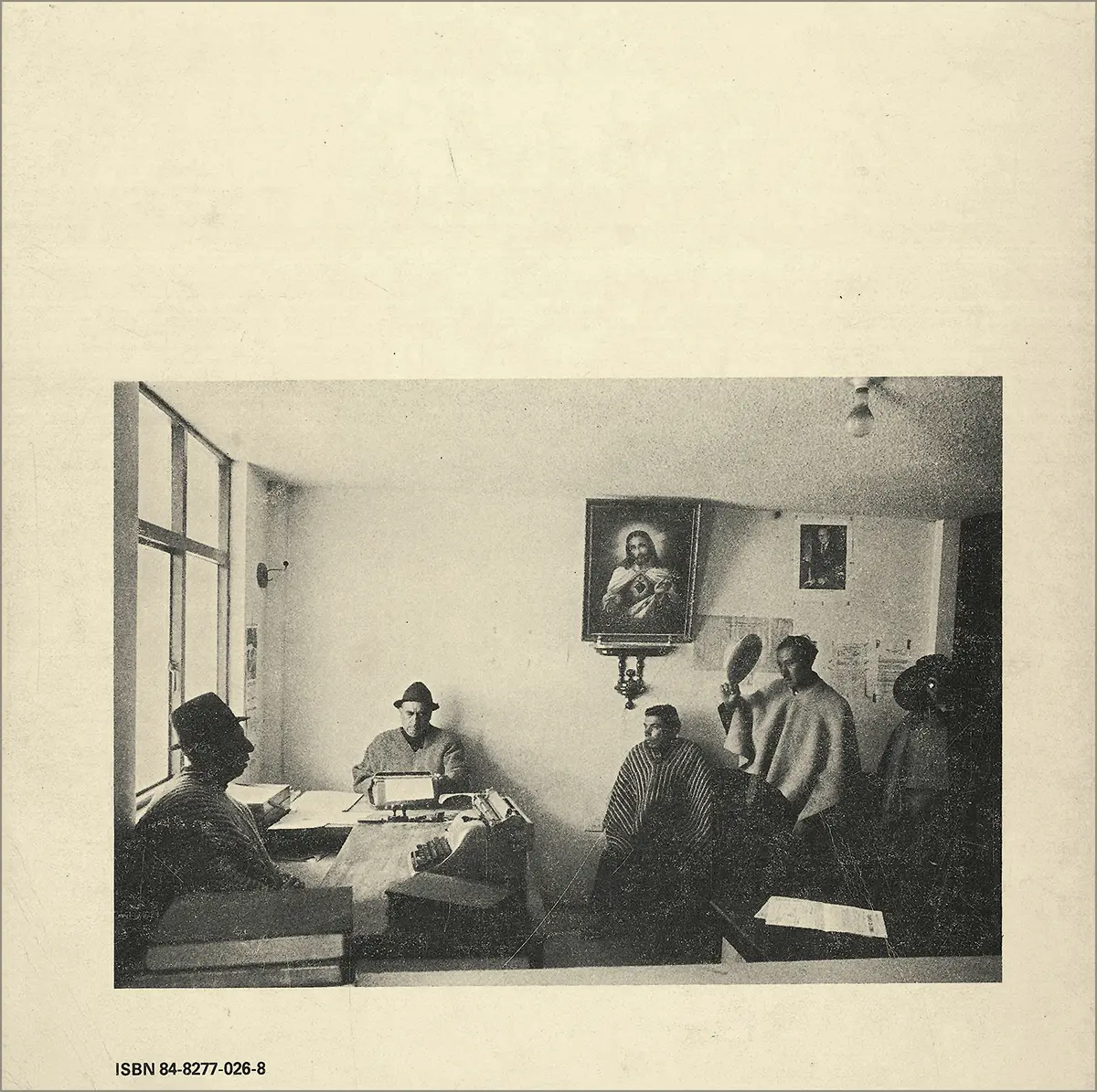
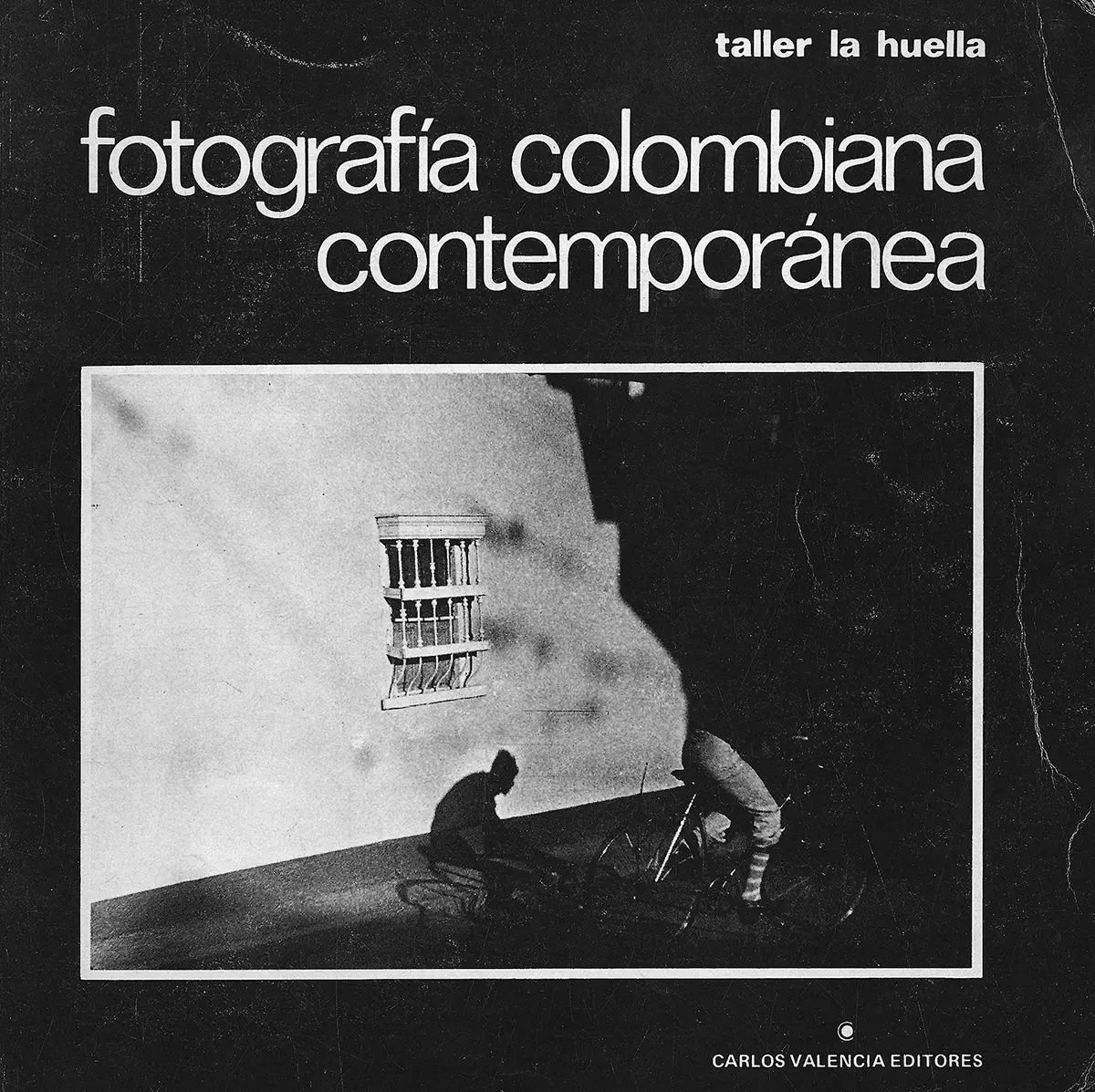
Fotografía colombiana contemporánea (Contemporary Colombian Photography, 1980) remains the most complete and visionary photobook ever published in the country; its 1972 pages and 127 black and white photographs provide an excellent panoramic of photography in the country. This “first large-scale attempt to bring together in a single book a showcase of Colombia’s most significant contemporary photography” was praised by critics as “an editorial success of Taller la Huella” and as “highly recommended for those seeking information about photography in Colombia.” Its spot-on selection of photographers, its images, and its originality for the local context make it an inescapable referent. This volume, by Marcos Roda and Roberto Rubiano, remains unique: nobody has attempted since to produce work of similar ambition.
In 1983, Hernán Díaz published his little-known Cartagena, a new attempt to chronicle the city. Here Díaz eschews the influence of Cartier-Bresson and Irving Penn, and sets out in a bold visual adventure where the challenge—which he meets successfully—seems to be to emulate North American street photography with a quick, disheveled-seeming style.
Although not precisely a photobook, Eduardo Serrano’s Historia de la fotografía en Colombia (History of Photography in Colombia, 1983), published by the Museo de Arte Moderno de Bogotá, is the first—and so far, an only—historical compendium of Colombian photography. It was profusely illustrated with more than 1,200 photographs, among them 86 daguerreotypes and more than 250 visiting cards.
There are two other photo books with a historical theme, and the extant material about the Bogotazo, for instance, is abundant. El 9 de abril en fotos (April 9 in Photos), published by El Áncora Editores in 1986, features 127 photographs, mostly by Luis Gaitán (Lunga) and properly credited—an exception in local publishing. It was the main visual reference about those historical events until the publication, in 1997, of El saqueo de una illusion (The Sacking of an Illusion), devoted to the photographs that Sady González shot that day. About González there is also Bogotá años 40 (Bogotá 1940s), which contrasts with the former publication for the humor and empathy it displays in its portrayal of life in the city. Published by the photographer’s son, Guillermo, these two books are a complete visit to a very special decade in the city’s history. It must be noted, however, that the images come from Casa Sady, González’s studio, which employed a number of photographers; this explains the diversity of shots of that April 9, for example.
Gerardo Reichel-Dolmatoff and Alicia Dussan are recognized as the founders of archaeology, ethnography, and ethnology in Colombia. Their contributions are many, and although the credit most of the time went to the Austrian-born anthropologist, his wife Alicia, also an anthropologist, was in charge of a good portion of their photographic work. The couple was careful to document their travels around Colombia over more than forty years. They are the authors of Indios de Colombia (Indians of Colombia), published in 1991 and illustrated with almost 200 black and white photographs, a sample of the extraordinary shots they made since 1940 through the late 1970s of life among the Ika, Kogui, Tukano, Makú, Emberá, Guahibos, and Pijaos, among other peoples. Although their images had a scientific, not artistic (and much less commercial) purpose, and are focused on portraiture, they—particularly those by Dussan—are uniquely able to capture the personalities of their subjects with a very special aesthetic sensibility.
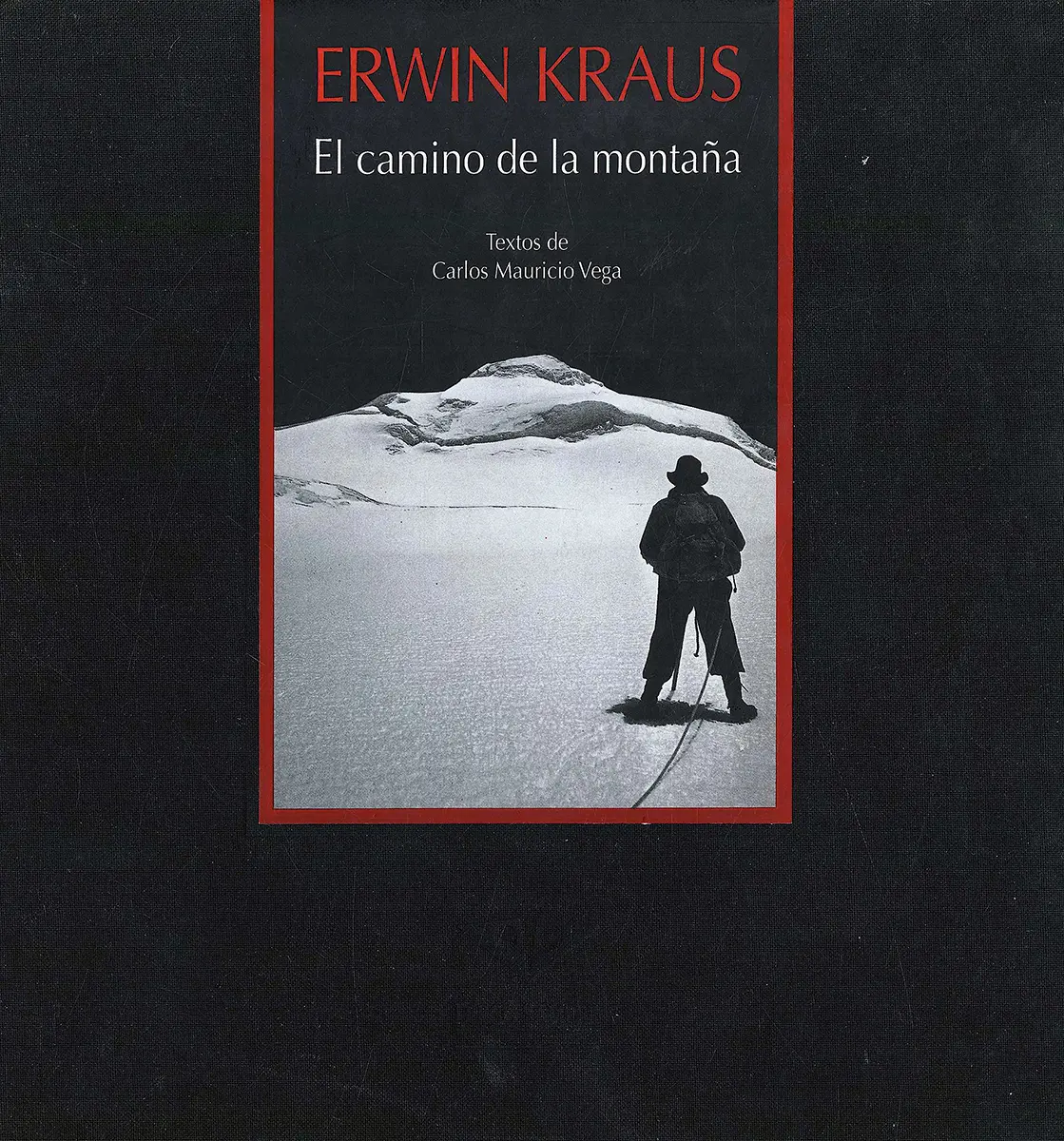
Erwin Kraus. El camino de la montaña (Erwin Kraus. The Path of the Mountain, 1996), published by anthropologist and photographer Diego Samper, revisits and salvages the photographic work of the German painter and mountaineer in the snow-capped Colombian Andes. Kraus’ Rolleiflex camera captured the pristine beauty of the glaciers, as he was the first to ascend and photograph some of those peaks.
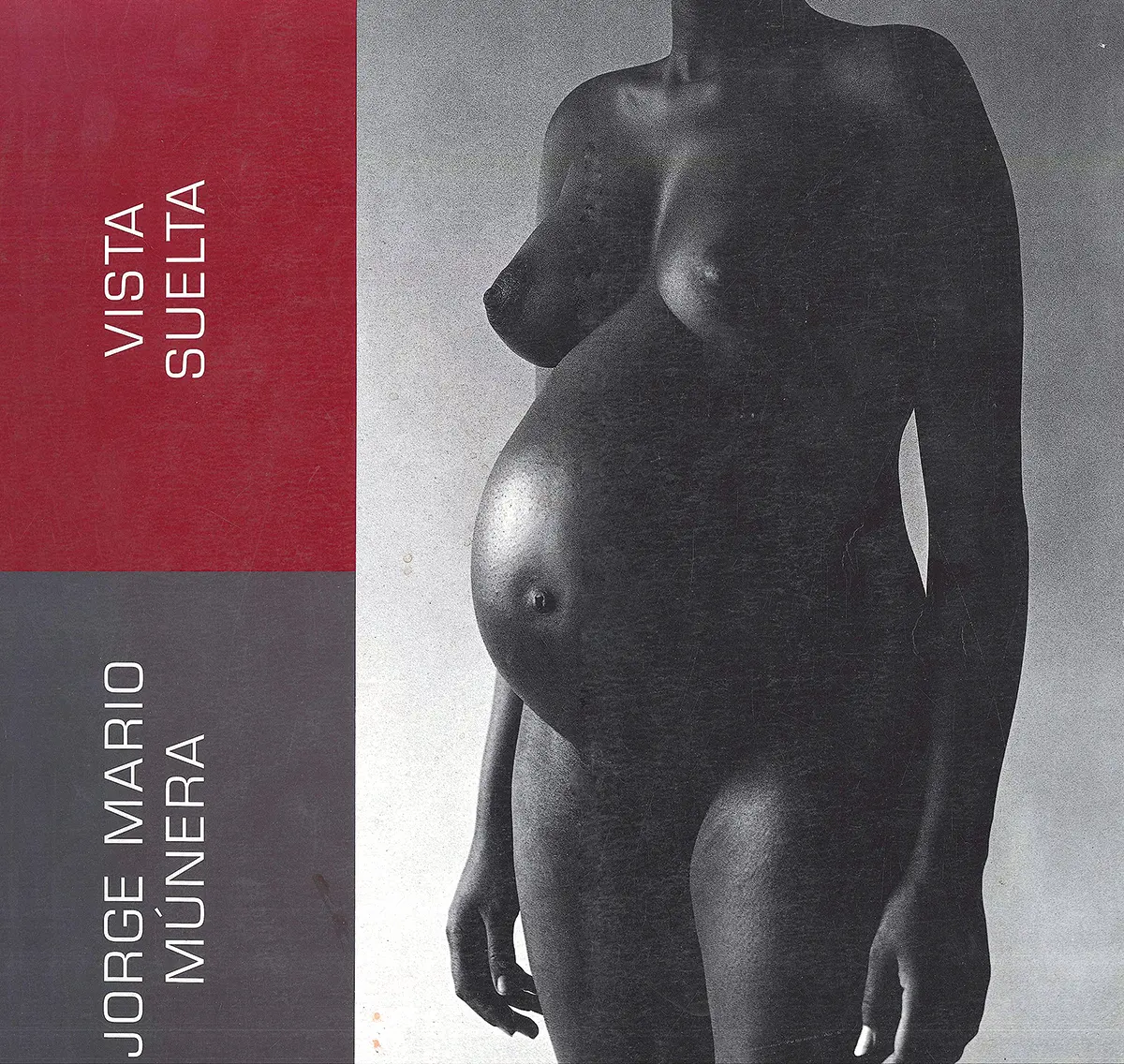
Vista suelta (Loose Vista), by Jorge Mario Múnera (1999), has a simple design (by Múnera himself) and contains significant images interested, like Nereo López’s books, in exploring Colombia’s most recondite corners. A good part of the book is devoted to the people living in the country’s sea and river frontiers, in a country that extends between two oceans and two powerful rivers (the Amazon and the Orinoco), and where collective bathing, as seen in Múnera’s images, plays a special role.
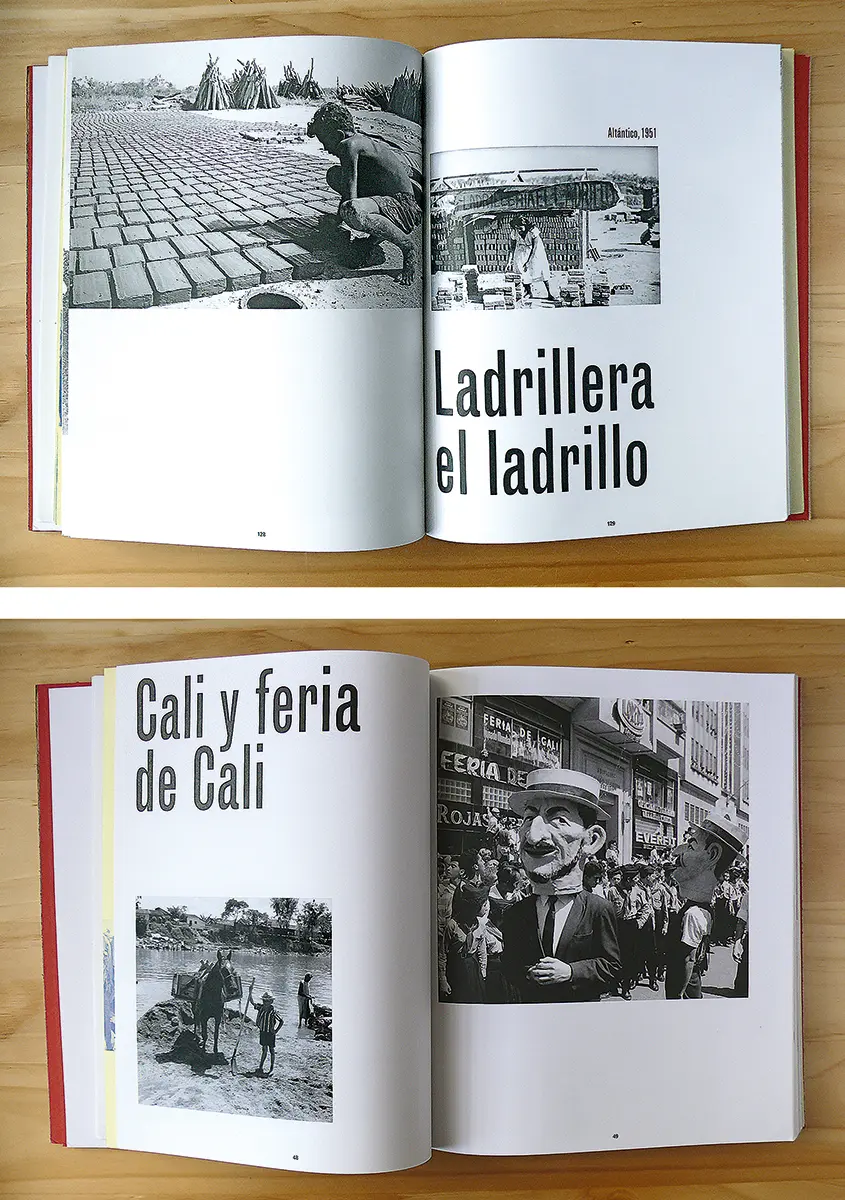
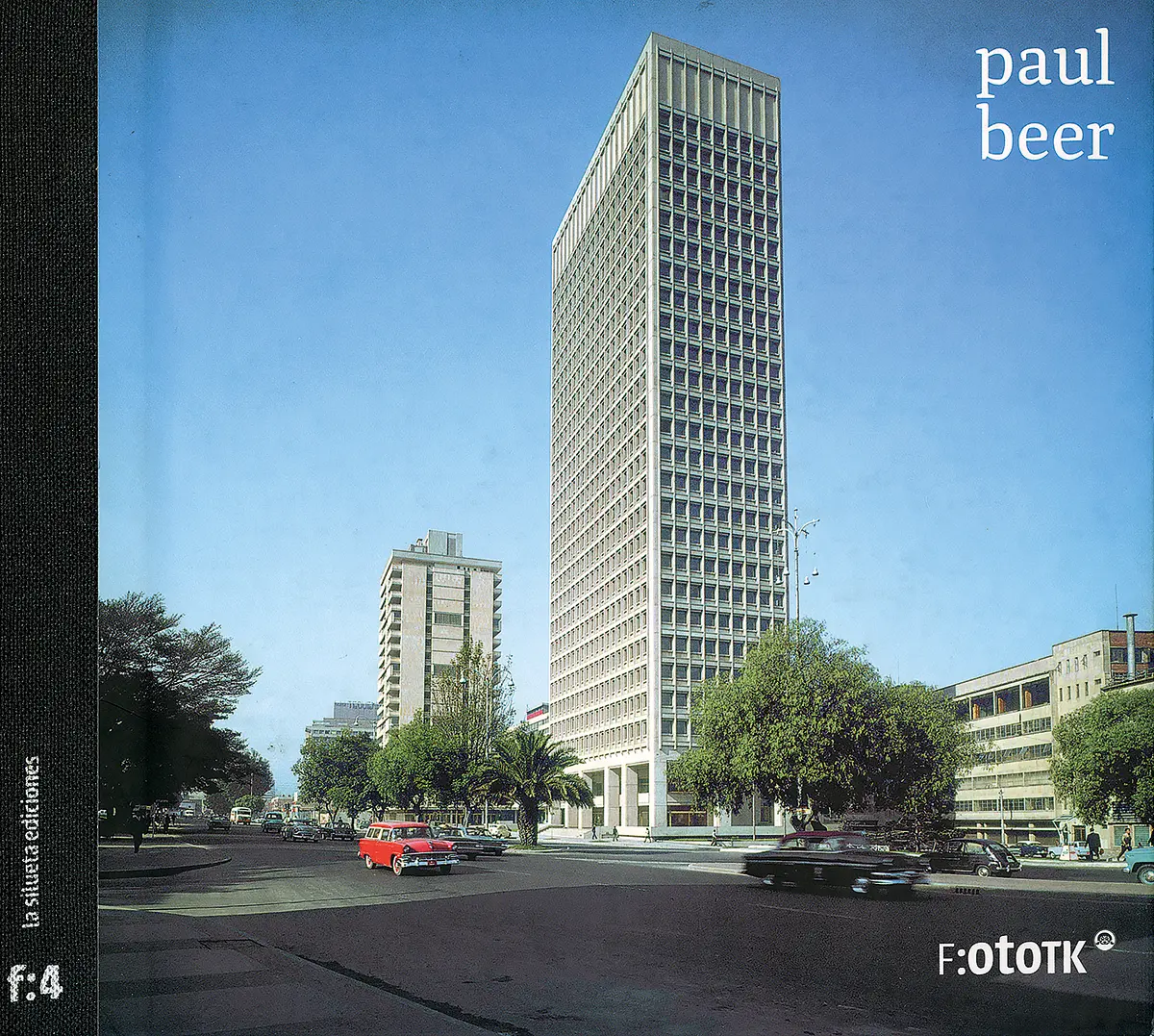
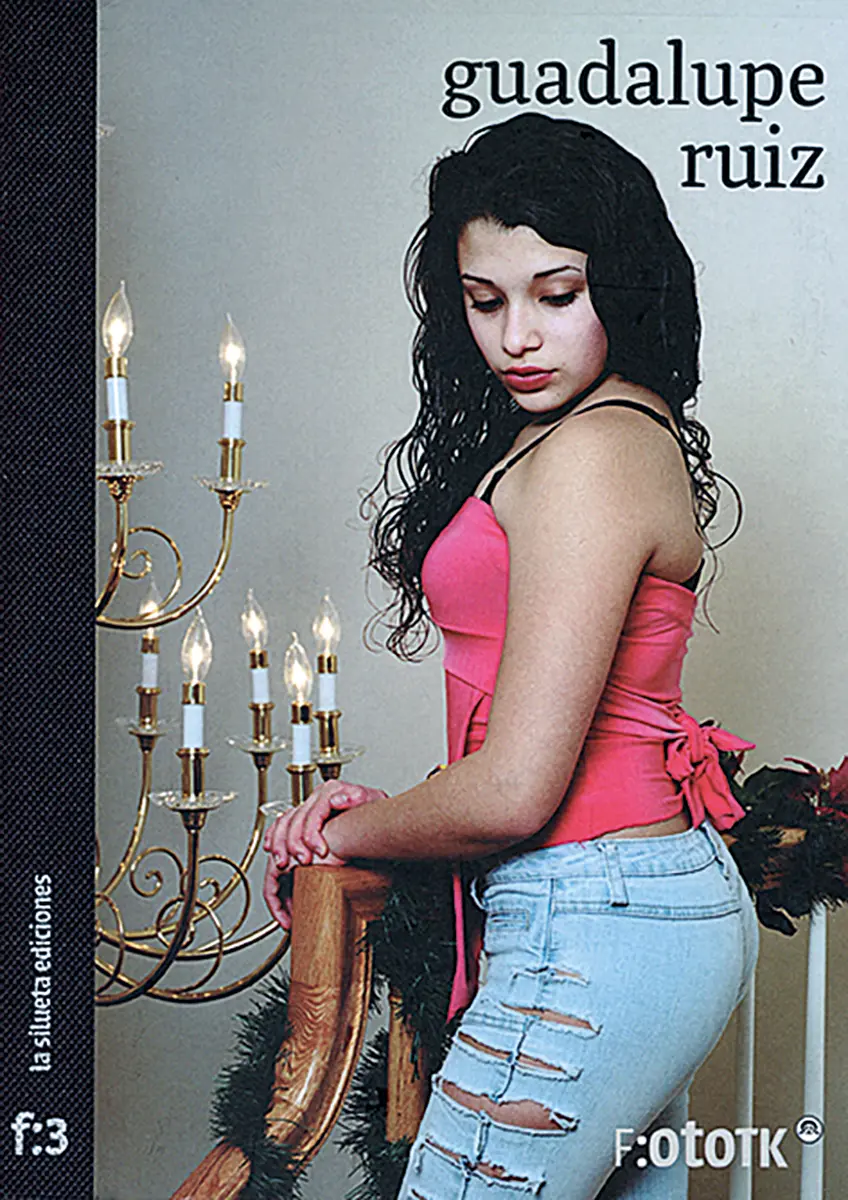
Starting in 2006, the Bogotá publishing house La Silueta decided to respond to the evident dearth of quality books about photography. Its FotoTK collection began with three books by photographers active in the country, Adriana Duque, Karim Estefan y Guadalupe Ruiz, all published at the same time (2007). These were followed by two historical volumes, Paul Beer (2008) and Nereo López. Contador de historias (Nereo López. Storyteller 2010), the latter a true photo book that has garnered significant international honors for its quality and came accompanied by a traveling exhibition of posters, designed, like the book itself, in the 1950s style. Later the collection evolved in the direction of putting out simpler, lighter photobooks, such as A Place to Live–Mateo Gómez, and is now preparing a new tome with the work of Jorge Silva and Marta Rodríguez, the legendary directors of Chircales, and landmark in the history of Colombian documentary film.
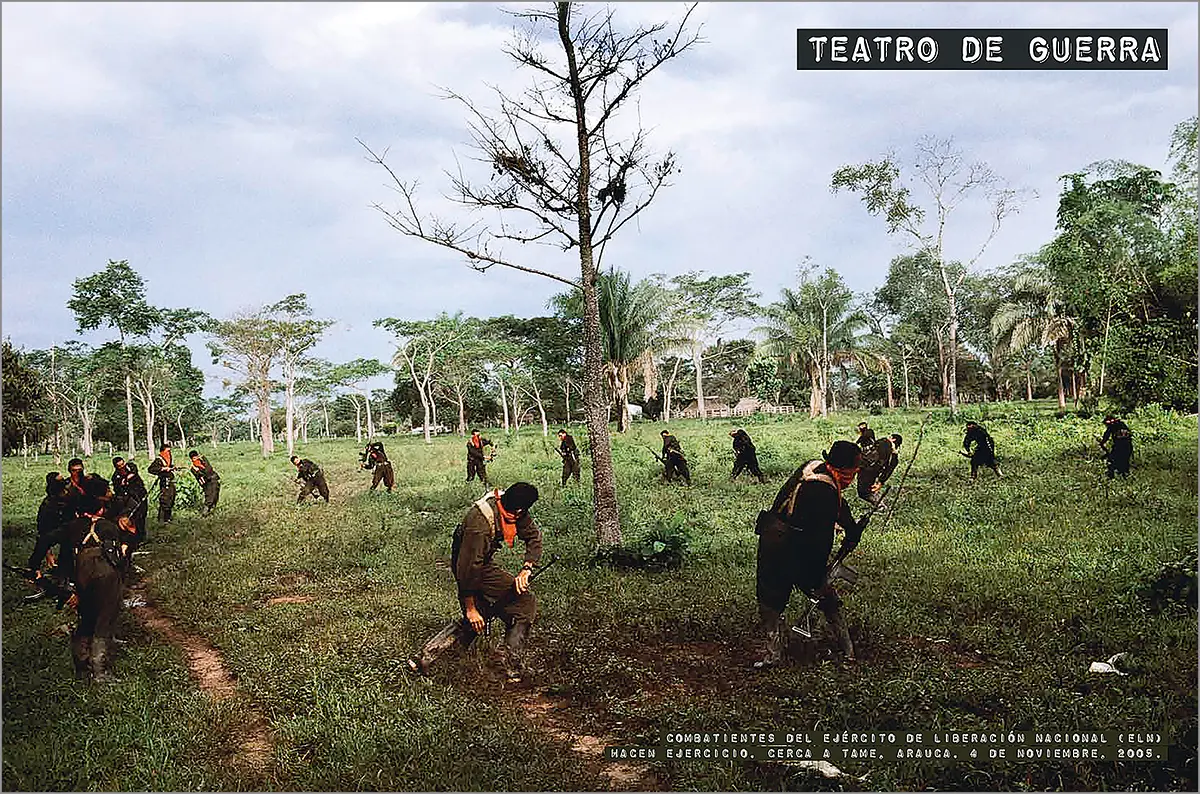
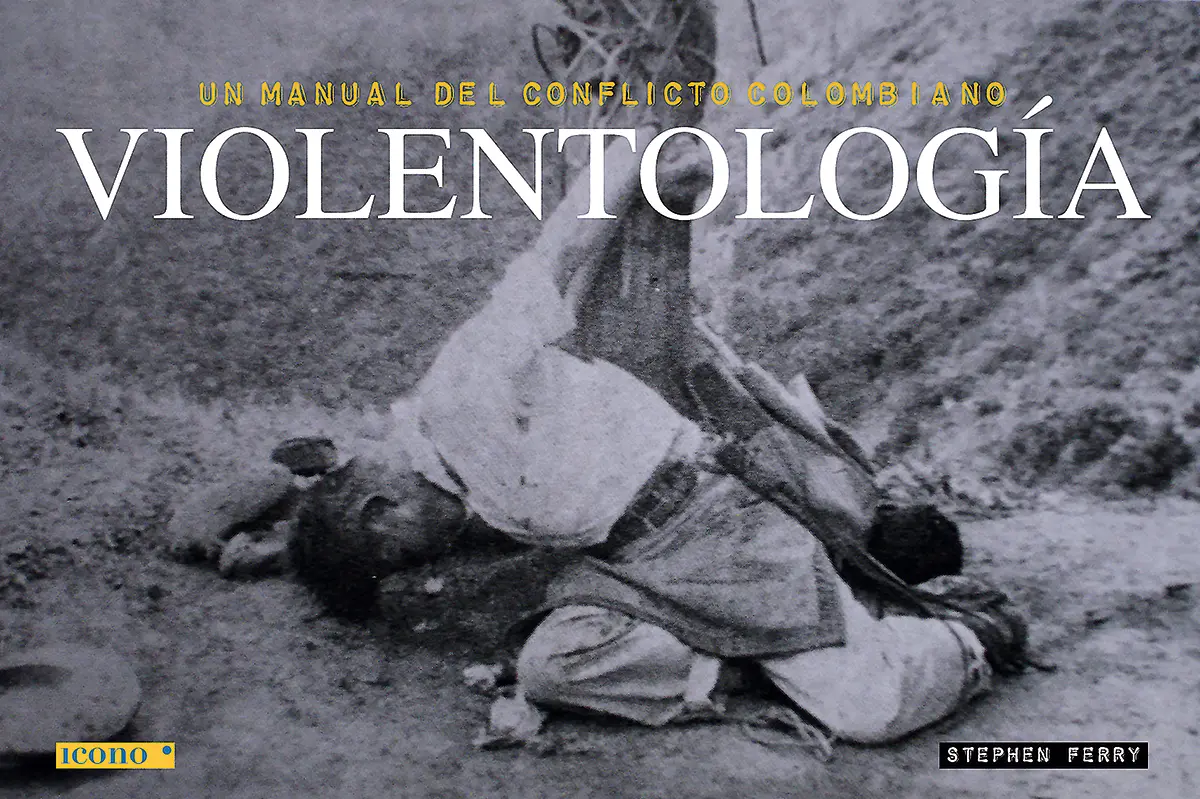
Stephen Ferry, who has devoted a good part of his life to covering the Colombian armed conflict, published Violentología, un manual del conflicto colombiano (Violentology, a Handbook of the Colombian Conflict) in 2012. It is a vertiginous journey to Colombia’s forests and cordilleras on the trail of fighters on all sides, and it prompts a deep meditation on the relationship between social body, armed conflict, and memory. The eye-opening way Ferry has been able to visit every front, both urban and rural, makes him an exceptional witness—second only to the combatants themselves—to the war in Colombia.
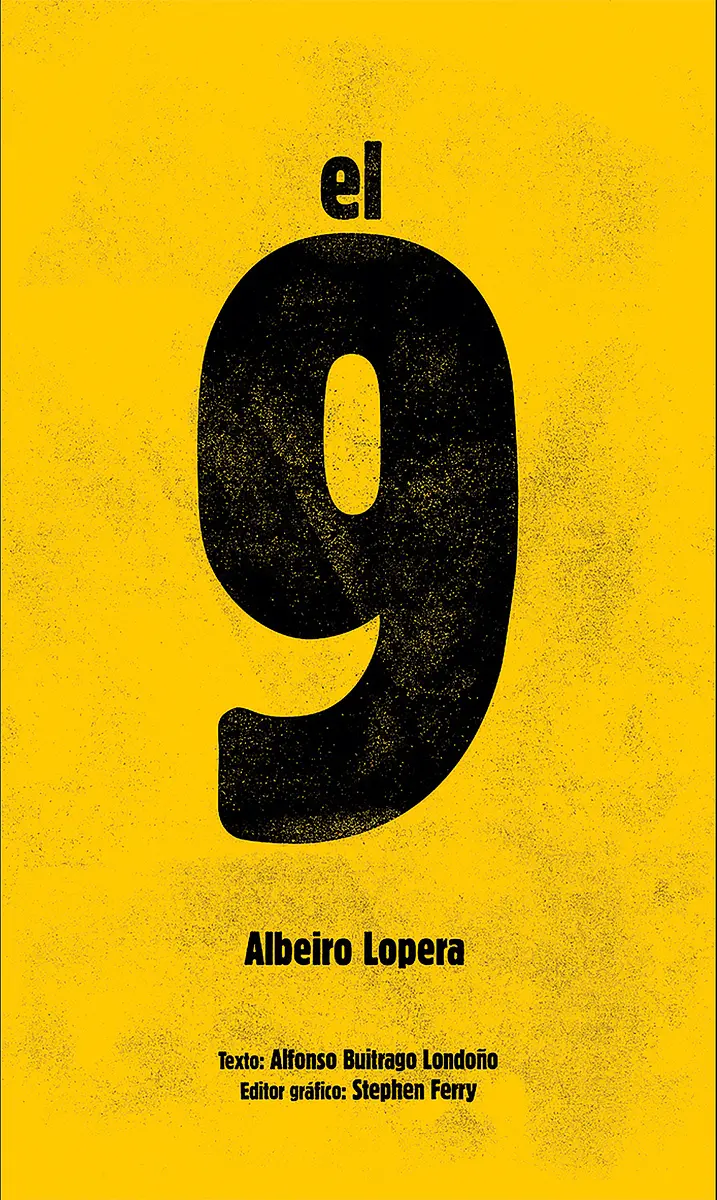
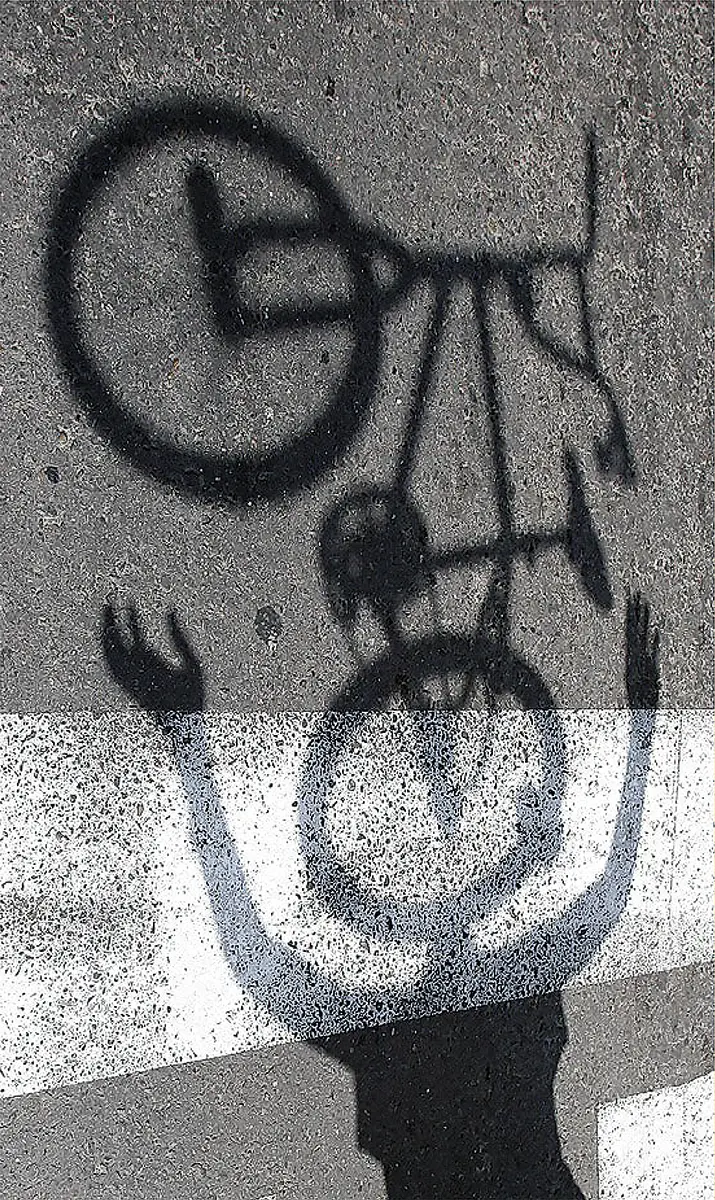
Ferry was also the graphics editor of El 9. Albeiro Lopera, published by Tragaluz Editores (2015), another whirly book devoted to a photographer who experienced the adrenaline-boosting intensity of life in the streets of Medellin in the 1990s. Punk and the now-legendary edginess of the city’s underworld in those years are bluntly illustrated by "El 9," and the book takes maximum advantage of the urban space’s artificial lights to reveal the photographer’s—and Medellin’s—feverish, frenzied lifestyle.
This selection of photobooks, scarce yet greatly meritorious, is perhaps our essential bibliography on the subject. Going forward, the fledgling efforts of new publishers and the individual labors of photographers are not enough to ensure a photobook surge in Colombia. As I have written elsewhere, we are still far from enjoying a true photographic culture and valuing the medium beyond Instagram.
SANTIAGO RUEDA
Independent curator, contemporary art researcher.